
Apple Intelligence TV Integration Setup: The Missing Link Between Your iPhone and 2026 Smart TV
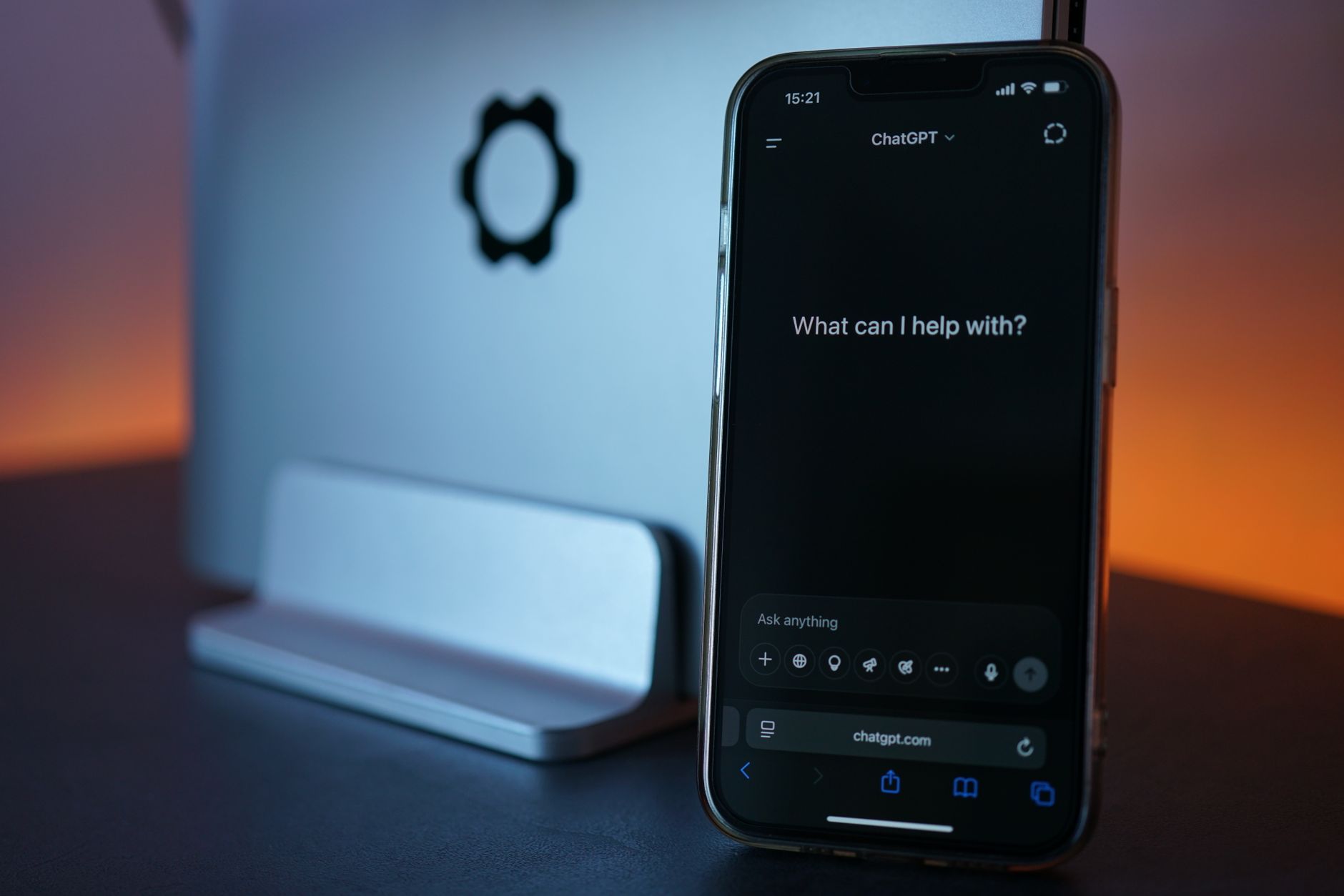
The 6 Best Smart TVs of 2026 aren’t just fighting over brightness and black levels anymore—they’re battling to become the central hub for your phone’s AI. Apple Intelligence, which started as an iPhone-only party trick in late 2024, has evolved into something far more interesting: a cross-device brain that can actually understand your living room. But here’s what nobody at Apple tells you straight up—getting Apple Intelligence to play nicely with your TV requires a specific integration setup that goes far beyond basic AirPlay mirroring.
If you’ve been wondering why your friend’s new 2026 Samsung QN90F seems to “just know” what they want to watch while your setup still demands manual hunting, the difference isn’t the TV itself. It’s the Apple Intelligence TV integration setup they configured in about 12 minutes. This guide walks you through that exact process, whether you’re running a 2026 LG G4 OLED, a Sony Bravia 8, or even holding onto a 2024 model that still punches above its weight.
What Apple Intelligence TV Integration Actually Does (Beyond the Marketing)
Let’s cut through the keynote fluff. When properly configured, Apple Intelligence on your iPhone or iPad becomes a contextual layer between your voice, your viewing habits, and your television. The integration setup enables three concrete capabilities:
- Predictive content surfacing: Your AI analyzes your Calendar, Messages, and Safari history to preemptively queue relevant content. Flight to Tokyo next week? Your TV’s “Up Next” row quietly surfaces Shogun and travel documentaries without you asking.
- Cross-app intent execution: Say “Show me that thriller Sarah mentioned” and Apple Intelligence parses your Messages thread with Sarah, identifies the specific film, checks your subscribed services (Netflix, Max, Apple TV+), and launches it directly—no manual app-hopping.
- Ambient scene intelligence: The system reads your HomeKit camera feeds, lighting status, and time of day to auto-adjust picture profiles. Kids asleep upstairs? It dims peak brightness and enables late-night dialogue enhancement without menu diving.
This isn’t Siri circa 2023. The 2026 neural engine processing happens on-device first, then selectively extends to your TV through encrypted handshakes—not cloud broadcasting.
Pre-Setup: The Three Compatibility Gates
Before touching a single setting, verify these non-negotiables. I’ve watched too many Reddit threads devolve into confusion because someone skipped this checklist:
Gate 1: Device and OS Level
- iPhone 15 Pro or newer, or iPad Pro M2/M4 chip variants
- iOS 26.1 or iPadOS 26.1 (released June 2026; the .1 update specifically fixed TV handshake bugs)
- Apple TV 4K (3rd gen 2022 or newer) OR a 2025-2026 smart TV with AirPlay 2 and HomeKit certification
Gate 2: Apple Intelligence Activation Navigate to Settings > Apple Intelligence & Siri > confirm “Apple Intelligence” toggle is green (not just “Siri”). The 2026 update split these into separate controls; TV integration requires the full AI stack active.
Gate 3: Network Architecture Both devices must share the same subnet with multicast/Bonjour enabled. Mesh networks with client isolation (common in Eero Pro 7 and some Orbi configurations) will break the discovery protocol. Disable “Device Isolation” or “Guest Network Protection” temporarily during setup.
Step-by-Step: The Core Apple Intelligence TV Integration Setup
Phase 1: Bridge Your TV into HomeKit (The Hidden Foundation)
This is where most guides fail—they jump straight to AirPlay and wonder why the AI features feel “dumb.” Apple Intelligence requires HomeKit integration as its identity layer.
- Open Home app on your iPhone
- Tap Add Accessory > More Options > TV
- Select your TV brand. For 2026 models, choose “Scan QR Code” and point your camera at the HomeKit sticker (usually inside the TV’s quick-start booklet or on the rear panel near inputs)
- Assign the TV to a room—critical: name it conversationally (“Living Room TV” not “Samsung_QN90F_55”)
- When prompted for “TV Type,” select Streaming Stick even for built-in smart TVs. This unlocks the full intent API versus the limited “display” profile.
Phase 2: Enable Intelligence Handoff
- On your iPhone: Settings > Apple Intelligence & Siri > Device Integration
- Toggle “Extend to Home Accessories” — this is the 2026 addition that specifically enables TV control
- Under “Preferred TV,” select your newly added HomeKit TV
- Enable “Contextual Awareness” (this allows the AI to factor in your current activity—reading a movie review in Safari, for instance)
Phase 3: Calibrate the Semantic Layer
This is the “secret sauce” step that transforms basic control into actual intelligence.
-
Open Apple TV app (not the physical Apple TV device—the app on your iPhone)
-
Tap Connect to TV > Intelligence Preferences
-
Select which data sources the AI can reference:
- Messages (for recommendations from conversations)
- Calendar (for mood-appropriate content—comedy after stressful meetings, etc.)
- Safari Reading List (to surface “watch later” articles you’ve saved)
- Photos (to display contextually relevant memories as screensavers)
-
Set “Proactive Depth” to Moderate (Aggressive gets creepy fast; Minimal defeats the purpose)
Phase 4: Train Your First Intents (The 5-Minute Setup)
Apple Intelligence learns from explicit examples. Spend five minutes now, save hours later:
- Hold your iPhone near the TV (within 12 inches for NFC pairing confirmation)
- Say: “Hey Siri, when I say ‘movie night,’ dim the lights to 15%, set picture to Cinema, and start my ‘Watch Later’ queue”
- Siri will confirm the compound action and ask to save as “Movie Night” scene
- Repeat for 2-3 personal routines: “Kids bedtime,” “Sports mode,” “Background viewing”
These saved intents become training data for the AI’s broader pattern recognition.
Troubleshooting the 2026-Specific Quirks
Even with perfect setup, three issues plague early adopters:
“TV Not Responding” in Home app, but AirPlay works fine Your TV’s firmware likely updated to a 2026 revision that changed its HomeKit identifier. Remove the TV from HomeKit, factory reset its smart hub (usually Settings > General > Smart Hub Reset on Samsung, or System > Device Preferences > Reset on Sony), and re-add. The 2026.2 firmware updates standardized identifiers across brands.
Apple Intelligence suggests content, but launches wrong app The AI is prioritizing your “Up Next” queue over service availability. In Apple TV app settings, disable “Prioritize Queue Over Discovery” — this 2026 toggle was added specifically for multi-service households.
Delayed response when TV is off 2026 TVs in “Quick Start+” or “Instant On” mode maintain partial network presence, but HomeKit requires full boot. Either enable “Always Ready” in your TV’s power settings (uses 8-12W standby) or accept 8-10 second wake delays.
The 2026 TV Landscape: Why This Setup Matters More Now
The 6 Best Smart TVs of 2026—led by the LG G4 OLED, Samsung QN90F, Sony Bravia 8, TCL QM8K, Hisense U10N, and the surprisingly competitive Amazon Omni QLED 2—have converged on hardware excellence. Brightness wars are essentially over; mini-LED zone counts have reached diminishing returns. The differentiation now is intelligence orchestration—how well your TV becomes an invisible extension of your phone’s AI.
Apple Intelligence TV integration setup is the bridge that prevents your 2026 TV from becoming another dumb screen with a fancy panel. Without it, you’re manually navigating apps while your iPhone sits in your pocket, already knowing what you want to watch. With it, the entire pipeline—discovery, selection, playback, environment adjustment—collapses into a single intent.
Your Next Move: Expand the Ecosystem
Once the core integration is stable, layer in these 2026-ready additions:
- Matter 1.3 lighting: Apple Intelligence now adjusts color temperature based on content genre (cooler for sci-fi, warmer for period dramas)
- Spatial Audio handoff: AirPods Pro 3 automatically connect to TV when Apple Intelligence detects “focused viewing” versus “background mode”
- Shared Family Intelligence: Enable in Home settings so the AI composites household preferences rather than defaulting to the primary account holder’s history
The setup described here takes under 15 minutes, but the compounding time savings—no more menu archaeology, no more “what was that show called?” dead-ends, no more fumbling for remotes when your hands are full—justify the investment before you’ve finished your first intelligently curated binge session.